
Why Frozen Gutters Pose a Serious Risk
GUTTER MAINTENANCE, GUTTERS, GUTTER DAMAGE, WATER DAMAGE, ICE DAMAGE
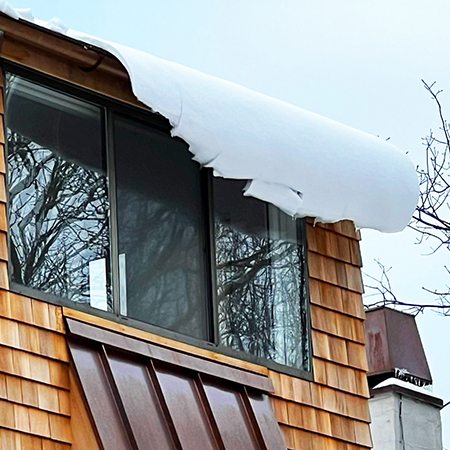
After temperatures drop and leaves have fallen, many Southern Connecticut homeowners stop thinking about their gutters. However, the period between the first freeze and the final thaw is actually the most demanding season for your home’s drainage system. Without proper gutter maintenance, gutters can shift from protecting your home to contributing to gutter damage, ice damage, and costly water damage.
Winter weather places constant stress on gutters. Ice buildup, heavy snow, and repeated freeze–thaw cycles can compromise not only the gutter system itself, but also the roofline, fascia, siding, insulation, and interior of the home.
How Gutters Can Freeze
Gutters that hold debris, such as pine needles, leaves, or twigs, trap water that would otherwise drain freely. Water expands as it freezes, exerting outward pressure on whatever contains it. When that trapped water freezes, it creates internal stress that can crack seams, warp metal, and loosen fasteners.
Over time, this repeated freezing and thawing weakens gutters and accelerates wear. Even well-installed systems can suffer premature gutter damage if ice buildup is allowed to persist year after year.
Hidden Weight and Structural Sag
A 20-foot gutter run filled with solid ice and frozen debris can weigh several hundred pounds. Gutters are designed to carry flowing water, not the dead weight of ice. This excess load puts pressure on fascia boards and the hangers securing the system to the home.
As stress continues, gutters may begin to sag, tilt forward, or pull away entirely. Once separation occurs, water can bypass gutters. This can lead to roofline deterioration, exterior staining, and long-term water damage.
The Ice Dam Effect
Ice dams are among the most expensive winter-related problems for homeowners. They form when heat escapes into the attic, melting snow on the roof. That meltwater flows toward the eaves and gutters, which are colder than the roof surface.
If gutters are frozen or clogged, the water has nowhere to go. It refreezes at the roof’s edge, forming an ice dam. As meltwater continues to back up, it can seep under shingles and into the home, soaking insulation, damaging drywall, and creating ideal conditions for mold growth. Damage from ice dams can unnoticed until repairs become extensive.
The good news is that frozen gutters can show warning signs before serious damage occurs, and many are visible from the ground. Watch for these indicators during winter:
- Icicles Behind the Gutter: Icicles forming between the gutter and siding indicate water backup or separation from the fascia.
- Forward Tilt or Bowing: A visible dip or tilt along the gutter line suggests excessive ice weight and structural stress.
- Frozen Downspouts: Ice encasing a downspout base usually means the entire gutter run is frozen, increasing the risk of water damage during a thaw.
Why Ice Dam Removal Is Risky
While it may seem logical to remove ice dams once they form, ice dam removal – whether done professionally or not – is very risky. Working on icy roofs and ladders significantly increases the chance of falls.
The reality is that the difficult task of chipping away at ice with hand tools can cause structural damage to a home, with cracks in gutters, loosened fasteners, damaged fascia boards, or punctured roofing materials. In some advanced cases, it can be nearly impossible to eliminate ice dams without causing some level of structural damage. This can result in costly repairs to your home under certain circumstances.
Early Ice Dam Prevention is Key
Preventing ice dams before they can even form is a much safer, more effective, and far less expensive solution in the long run. Here are two great preventative options to help ensure ice dams do not occur on your home.
Installing Heat Cables for Targeted Protection
Heat cables are a great targeted solution for keeping critical drainage paths open during freezing conditions. Installed along roof edges and inside gutters, they gently warm key areas so snowmelt can flow, instead of refreezing.
Your gutter company should ensure the highest safety standards for this type of installation. Proper heater cable placement is also essential for performance and efficiency. The Gutter Specialist keeps a licensed electrician on-site to ensure heat cables are installed safely, correctly, and in compliance with electrical codes.
When professionally installed, heat cables help reduce ice buildup, protect gutters, and lower the risk of water damage during harsh Connecticut winters.
The Best Long-Term Solution: Attic Insulation
While heat cables are a great solution, the most effective way to prevent ice dams is to ensure proper attic insulation is installed and any possible air gaps are sealed. Ice dams primarily form when heat escapes into the attic and warms the roof unevenly. Insulation keeps heat inside your living space, where it belongs.
Although the upfront cost of attic insulation can be higher, the investment pays for itself over time through lower heating bills, improved comfort, and fewer winter-related repairs. Stabilizing roof temperatures with insulation dramatically reduces the conditions that can lead to ice damage.
Protect Your Gutter Investment
Gutters are a critical defense system for your roof, siding, foundation, and landscaping. Keeping them clear, properly pitched, and structurally secure throughout winter helps prevent gutter damage, ice damage, and expensive water damage repairs.
A proactive, regular gutter maintenance plan, combined with a proactive solution like attic insulation or heat cables, are among some of the smartest investments Southern Connecticut homeowners can make to protect long-term property value.